Ban an activity, eliminate an income
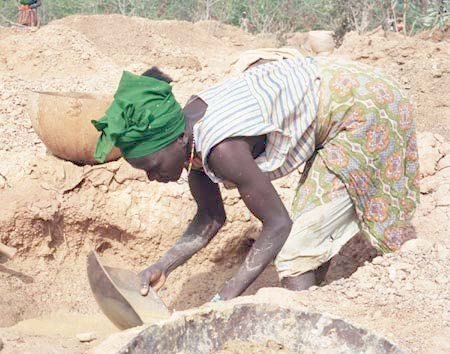
The order of 2 November prohibits unregulated and illegal artisanal gold mining. The authorities cite damage to agricultural land, pollution of waterways and the need to enforce regulations. These concerns are substantial: uncontrolled extraction causes lasting damage to the very conditions on which rural livelihoods depend. Yet in areas where families depend directly or indirectly on artisanal mining, the ban is no mere policing measure. It abruptly cuts off a chain of income for diggers, transport workers, traders, women running food businesses, equipment owners and nearby markets. The Guinean authorities should have considered this before launching an operation that was undoubtedly necessary. Public policy must be judged not only by the legitimacy of its aims but also by the methods used and the practical alternatives offered to those who bear the cost. The question of lost livelihoods leads directly to that of who benefits from mineral wealth.
The Associated Press reports that more than 1,200 people suspected of illegal artisanal mining have been detained in the Siguiri region and that mass trials have begun. The agency also cites an estimate that more than 300,000 people in Guinea depend on artisanal and small-scale gold mining for their livelihoods, as well as reports of workers and families leaving for Mali. These figures indicate the potential social cost of a ban introduced without transitional arrangements.
Who benefits from sovereignty over mineral resources?
Guinea is seeking greater control over the movement of gold, reduced smuggling, and more processing within the country. Opening a refinery and retaining more of the value generated by gold constitute a coherent economic ambition. But what share of the proceeds pays for infrastructure, schools, water supplies and healthcare in mining areas? What arrangements allow artisanal operators to enter the formal economy rather than disappear? If tighter controls chiefly benefit a handful of companies or intermediaries, local people will struggle to see how this wealth serves the national interest.
Sovereignty over a resource does not automatically ensure that its benefits are shared fairly among citizens. An assessment of mining policy must therefore look beyond production volumes and announced revenues to the formalisation of activities, access to rights, environmental consequences and the verifiable allocation of public income.
A cross-border economy
The presence of foreign nationals among those killed is a reminder that artisanal gold mining is part of regional movements of workers, capital and goods. The proximity of some neighbouring countries affected by terrorism adds a security dimension, but mobile workers must not be treated as known traffickers or potential terrorists. The Guinean authorities have both the right and the duty to combat trafficking and the risk of infiltration by terrorist groups. They must nevertheless distinguish economic mobility, illegal extraction, terrorism and criminal activity. That distinction also matters for cooperation with neighbouring countries.
A different mining settlement
Resolving the crisis will require more than restoring calm. It calls for an accessible timetable for formalisation, regulated mining zones, environmental protection rules, social support for workers and a verifiable redistribution of revenues.