
Home › African Current Affairs & Politics › AFRICAN CURRENT AFFAIRS
AFRICAN CURRENT AFFAIRS
Ethiopia — Renewed hostilities in Tigray put the Pretoria Agreement under strain
THREE YEARS AFTER THE PRETORIA AGREEMENT, RENEWED FIGHTING IN NORTHERN ETHIOPIA IS ONCE AGAIN TESTING THE FRAMEWORK THAT BROUGHT TWO YEARS OF WAR TO AN END. THE AFRICAN UNION HAS CALLED FOR AN IMMEDIATE RESUMPTION OF TALKS BETWEEN THE FEDERAL GOVERNMENT AND THE TIGRAYAN LEADERSHIP.
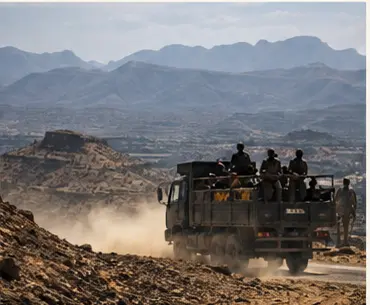
Mekelle, Axum and Shire airports fall under Tigrayan control
On 23 September, the African Union reported that Tigrayan forces had seized and occupied the airports at Mekelle, Axum and Shire, and had detained federal personnel. It also referred to hostilities in southern Tigray and in Afar. Responsibility for the wider escalation remains disputed between the parties. That distinction matters. Facts that have been established do not automatically validate every claim made by those involved in the conflict.
The Pretoria Agreement remains the framework for negotiations
The agreement signed on 2 November 2022 ended a war that had devastated northern Ethiopia. Its implementation remained incomplete. Disagreements persisted over the administration of contested territories, disarmament, the return of displaced people and political normalisation. The latest military escalation has emerged against that still-fragile background. The African Union continues to regard Pretoria as the reference framework and has asked Olusegun Obasanjo to re-engage with the parties.
Neighbouring states urged not to fuel the escalation
Ethiopia occupies a central position in the Horn of Africa. A renewed large-scale war would affect a region already exposed to the conflicts in Sudan and Somalia, tensions in the Red Sea and population displacement. The African Union has accordingly urged Ethiopia’s neighbours not to contribute to the escalation. For both Addis Ababa and Tigray, the immediate issue is whether the political mechanism established in 2022 can still contain the confrontation. Much will depend on an effective return to talks and on halting operations that could widen the war.
AFRICAN CURRENT AFFAIRS
Ethiopia — Renewed hostilities in Tigray put the Pretoria Agreement under strain
THREE YEARS AFTER THE PRETORIA AGREEMENT, RENEWED FIGHTING IN NORTHERN ETHIOPIA IS ONCE AGAIN TESTING THE FRAMEWORK THAT BROUGHT TWO YEARS OF WAR TO AN END. THE AFRICAN UNION HAS CALLED FOR AN IMMEDIATE RESUMPTION OF TALKS BETWEEN THE FEDERAL GOVERNMENT AND THE TIGRAYAN LEADERSHIP.
Mekelle, Axum and Shire airports fall under Tigrayan control
On 23 September, the African Union reported that Tigrayan forces had seized and occupied the airports at Mekelle, Axum and Shire, and had detained federal personnel. It also referred to hostilities in southern Tigray and in Afar. Responsibility for the wider escalation remains disputed between the parties. That distinction matters. Facts that have been established do not automatically validate every claim made by those involved in the conflict.
The Pretoria Agreement remains the framework for negotiations
The agreement signed on 2 November 2022 ended a war that had devastated northern Ethiopia. Its implementation remained incomplete. Disagreements persisted over the administration of contested territories, disarmament, the return of displaced people and political normalisation. The latest military escalation has emerged against that still-fragile background. The African Union continues to regard Pretoria as the reference framework and has asked Olusegun Obasanjo to re-engage with the parties.
Neighbouring states urged not to fuel the escalation
Ethiopia occupies a central position in the Horn of Africa. A renewed large-scale war would affect a region already exposed to the conflicts in Sudan and Somalia, tensions in the Red Sea and population displacement. The African Union has accordingly urged Ethiopia’s neighbours not to contribute to the escalation. For both Addis Ababa and Tigray, the immediate issue is whether the political mechanism established in 2022 can still contain the confrontation. Much will depend on an effective return to talks and on halting operations that could widen the war.
Verification: African Union, statement of 23 September 2026. Responsibility that has not been established remains attributed to the parties.